
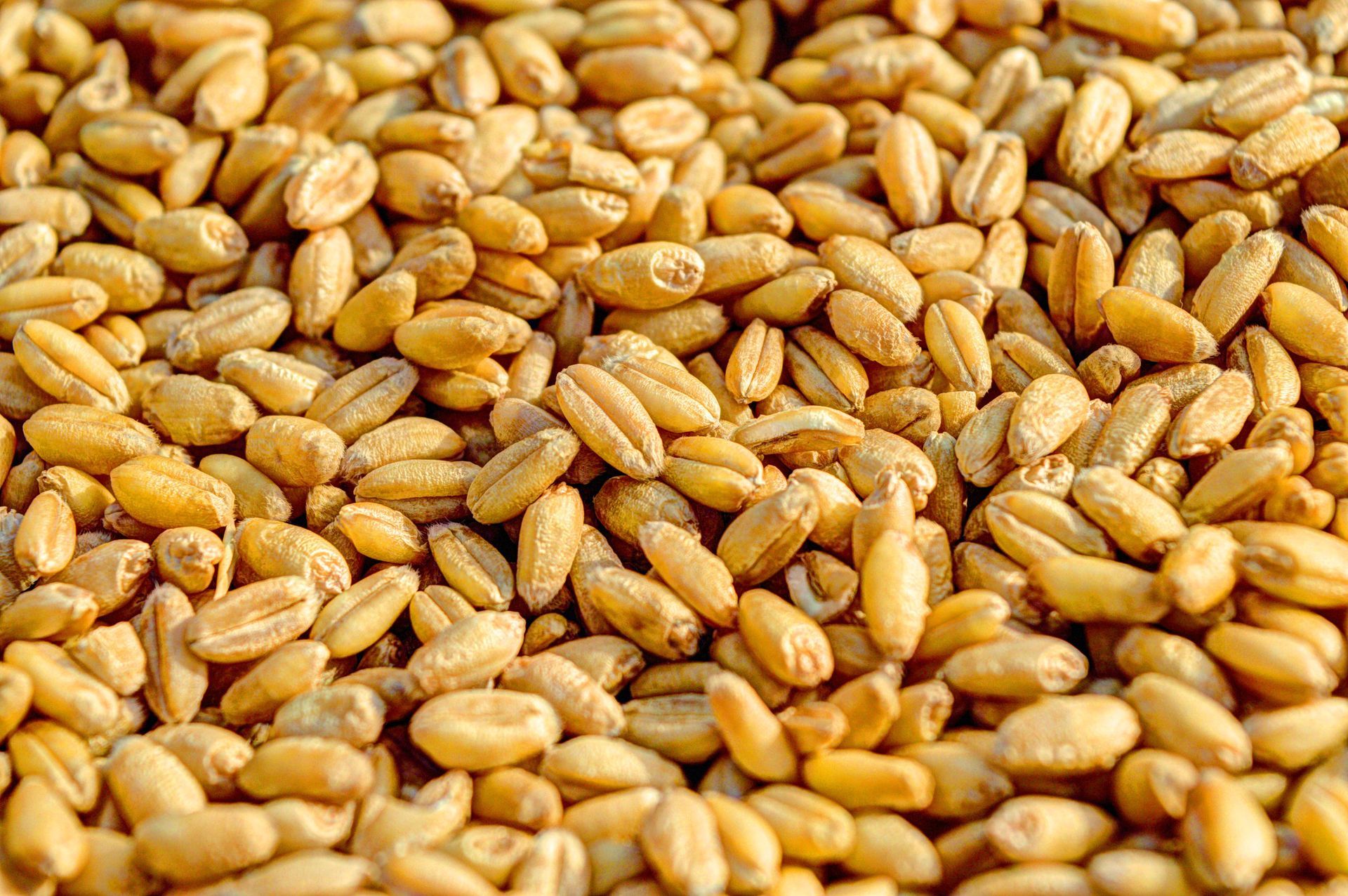
Grains make up one of the food groups that should be included on everyone’s plate. Grains in general are best known for being excellent sources of carbohydrates and providing our bodies with energy. But when we narrow in on this food group, we see there’s diversity among types of grains and unique nutritional benefits specific to each kind. All cereal grains technically come from the Poaceae botanical family, which encompasses many types of grasses. Grains, by definition, are the edible seeds or kernels of certain grasses. The grains food group also includes some “pseudo-grains,” which are not members of the Poaceae family, but are considered grains because they are similar in appearance, preparation and use, and nutrition. Examples of grains are wheat, oats, rice, corn, barley, millet, and sorghum. Examples of pseudo-grains are quinoa, buckwheat, and amaranth. 1,2 Grains can be classified into two categories: whole and refined. Whole grains contain all three parts of the kernel–the bran, germ, and endosperm–in their natural proportions. Refined grains are grains that have been milled to remove the bran and germ, leaving only the endosperm. The bran refers to the layers of skin on the outside of the kernel, where antioxidants, B-vitamins, and fiber are found. The germ is the embryo within the seed that has the potential to sprout into a new plant. It’s made up of B-vitamins, some protein, minerals, and healthy fats. The endosperm is the largest part of the kernel, packed with energy in the form of starchy carbohydrates and serving as the food supply for the germ when it grows into a young plant. 3